
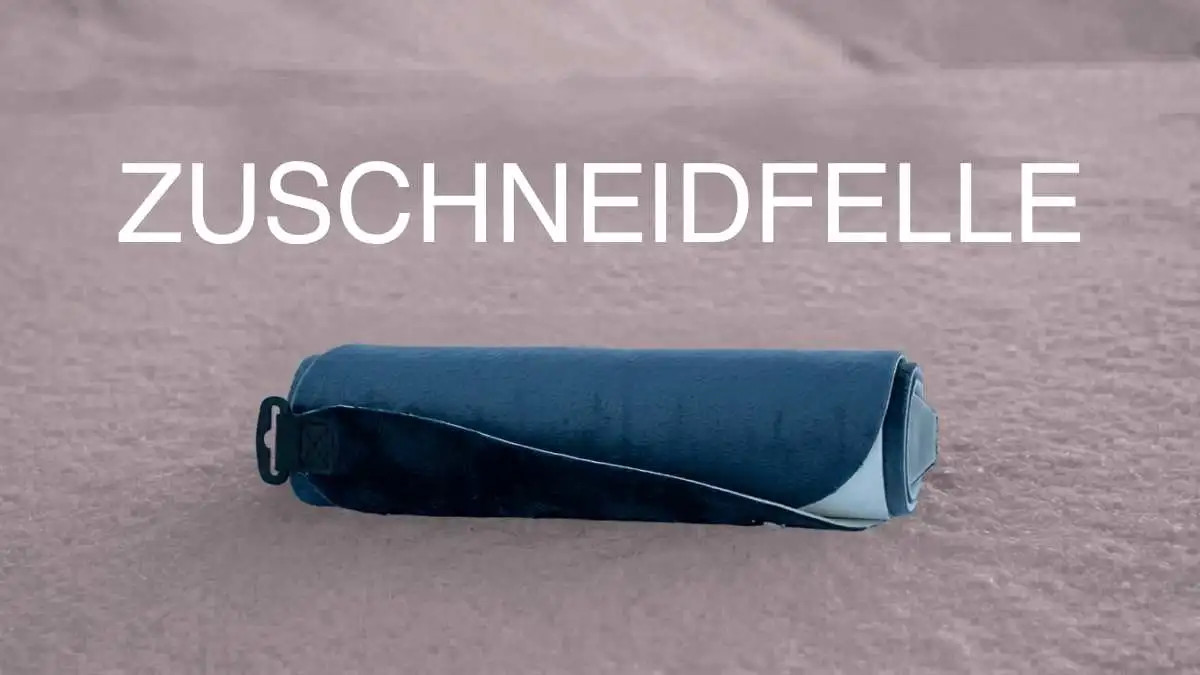

Zuschneidfelle are custom-cut climbing skins designed for backcountry skiing and splitboarding, made from plush materials like mohair and nylon with a strong adhesive backing. They attach to the base of skis, providing grip for uphill travel while allowing smooth forward glide. Unlike pre-cut skins, Zuschneidfelle come in universal sizes and are trimmed to fit specific ski dimensions. This flexibility makes them a practical, cost-effective choice for skiers seeking precision, performance, and adaptability across varying terrain and snow conditions.
Table of Contents
Understanding Zuschneidfelle: The Core Concept
At their core, Zuschneidfelle are climbing skins designed for uphill travel on snow. Unlike pre-cut skins tailored to specific ski models, Zuschneidfelle are intentionally manufactured in a universal width and length. This allows users to customize the fit by trimming it according to their equipment.
From my experience, this flexibility is a major advantage. Ski shapes vary widely, from narrow touring skis to wide powder boards, and having a one-size-fits-all skin that can be adjusted ensures compatibility across setups.
- Plush layer: The outer surface that grips the snow
- Adhesive backing: Ensures the skin sticks firmly to the ski base
- Support fabric: Provides structural integrity
- Tip and tail attachments: Secure the skin during movement
Why Choose Zuschneidfelle Over Pre-Cut Ski Skins?
Zuschneidfelle offer clear advantages over pre-cut skins due to their customizable fit. By trimming them to match your skis exactly, you gain better edge exposure, improved grip, and smoother glide. They are also more versatile, as one pair can be adapted to different skis. Additionally, they are often more cost-effective in the long run. For skiers who prioritize precision, performance, and flexibility in varying backcountry conditions, Zuschneidfelle provide a smarter and more adaptable solution.
Essential Tools You Need for Trimming Ski Skins Properly
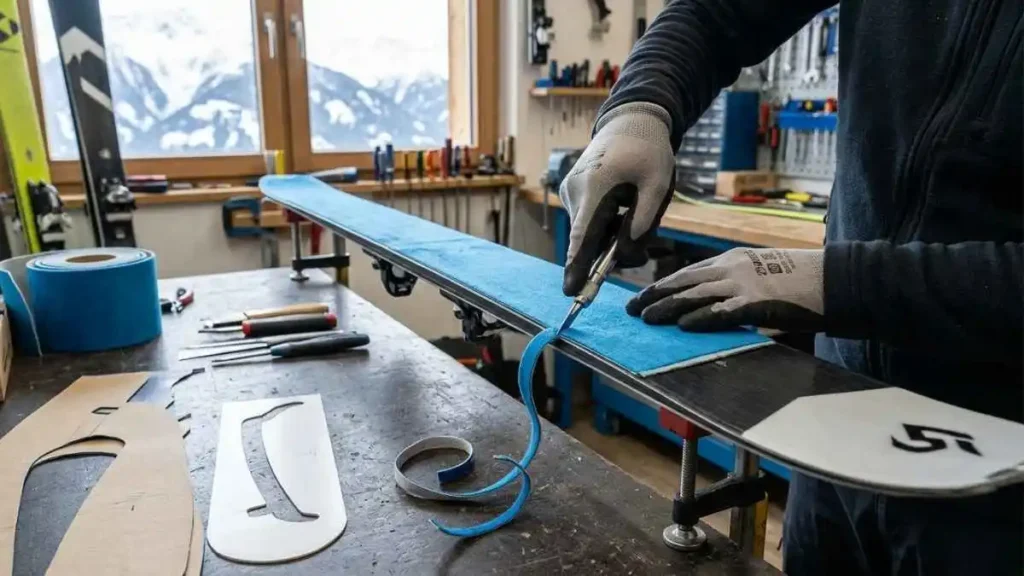
- The Letter-Box Cutter: Most premium skins come with a specialized offset cutter. This tool is designed to cut the skin while automatically leaving the steel edges of the ski exposed.
- Fixing Hardware: Heavy-duty clamps or a dedicated ski vise to keep the ski stationary.
- Marking Pen: A fine-liner to trace the tip and tail attachments.
- The Surface: A clean, lint-free workbench. Dust is the silent killer of skin glue.
Step-by-Step Guide to Perfectly Trim Ski Skins to Fit
- Alignment: Attach the tip clip to your ski and roll the skin down toward the tail. Ensure it is perfectly centered. If the skin is crooked at the start, the sidecut will be asymmetrical.
- The First Cut: Using your offset tool, start from the tip and pull the blade toward the tail in one fluid motion. The offset tool rests against the metal edge, cutting the fabric exactly 2mm inside the edge line.
- The Flip: Shift the skin slightly to the other side (if using a standard cutter) or repeat the process on the opposite edge.
- Tail Attachment: Once the sides are trimmed, install the tail clip. Ensure there is enough tension so the skin doesn’t “balloon” or sag when it gets wet.
The Geometry of Success: Considering Sidecut and Rocker
Understanding ski geometry is essential when trimming Zuschneidfelle for optimal performance. Sidecut (taillierung) and rocker shape directly affect how the ski contacts the snow and engages the ski edges. A precise cut that follows the ski’s curvature ensures maximum grip on climbs and smooth glide on flat sections. Ignoring these factors can lead to reduced efficiency and poor edge exposure. By accounting for both sidecut and rocker, skiers achieve a perfectly balanced, high-performance setup for any terrain.
Mohair vs. Synthetic: Which Material Fits Your Riding Style?
| Feature | Mohair Skins | Synthetic (Nylon) Skins |
| Glide Performance | Excellent, very smooth and fast | Moderate, slightly slower glide |
| Grip on Snow | Good, but slightly less aggressive | Very strong grip, ideal for steep climbs |
| Weight | Lightweight and efficient | Heavier but more durable |
| Durability | Wears faster over time | Highly durable and long-lasting |
Hotmelt Adhesive and Modern Skin Glue Systems
Climbing skins depend on adhesive technology to ensure strong and reliable bonding to ski bases during ascents. Hotmelt glue offers an extremely strong grip, especially in cold and dry alpine conditions, making it ideal for long and demanding tours. However, it can be messy and harder to maintain over time. Modern adhesive systems are cleaner, easier to handle, and allow faster transitions, but they require more regular care to maintain their stickiness and consistent long-term performance in varied conditions.
Common Ski Skin Cutting Mistakes to Avoid
- Cutting the Edges: Never leave the skin covering the metal edge. This leads to sliding sideways on traverses.
- The “Stutter” Cut: If you stop and start your blade, you create “nicks” in the fabric. These nicks catch on frozen crust, eventually causing the skin to delaminate from the base. Always use a fresh, sharp blade.
- Tension Issues: A skin cut too short will snap off; one cut too long will drag and collect snow.
Proper Care and Storage for Long-Lasting Ski Skins
Proper maintenance and storage are essential to extend the life of Zuschneidfelle. After each use, skins should be dried completely at room temperature to prevent moisture damage and adhesive breakdown. Avoid direct heat sources such as radiators or fireplaces. Store them with protective sheets or skin savers to preserve the glue quality. Keep them in a cool, dry place away from sunlight. Regular cleaning of dirt and snow residue also helps maintain performance, ensuring reliable grip and durability for many seasons.
Sustainability in the Mountains: Recycling Old Ski Skins
Sustainability is becoming increasingly important in ski touring, and many users wonder whether old Zuschneidfelle can be recycled. While full recycling is difficult due to mixed materials like mohair, nylon, and adhesive layers, some brands offer repair services or partial material recovery. Worn skins can sometimes be repurposed for training, DIY projects, or reduced-performance backup use. Proper care also extends lifespan and reduces waste. Choosing durable, high-quality skins is the most effective way to minimize environmental impact in the mountains.
FAQs
1. How often should I re-glue my Zuschneidfelle?
Typically, every 2-3 seasons, depending on use. If you notice “bald spots” in the glue or if the skins are peeling off during the climb despite a clean ski base, it’s time for a refresh.
2. Can I use the same skins for two different pairs of skis?
Only if the skis have very similar dimensions. If the second pair is wider, the exposed base will cause you to slip. If they are narrower, you would have to re-trim them, making them unusable for the original wider pair.
3. What do I do if my skin loses grip mid-tour?
Keep a “skin wax” or a small emergency repair kit in your pack. Scraping off ice from the base and warming the skins inside your jacket for a few minutes can often reactivate the adhesive.
Final Thought
Zuschneidfelle stand out as a smart and adaptable solution for modern ski touring, offering customization, efficiency, and reliable performance in diverse mountain conditions. Their ability to be trimmed for a precise fit ensures better control, improved energy use, and long-term versatility across different skis. While they require some initial effort in cutting and maintenance, the benefits far outweigh the drawbacks. For anyone serious about backcountry travel, they represent a practical investment that enhances both safety and overall touring experience.