
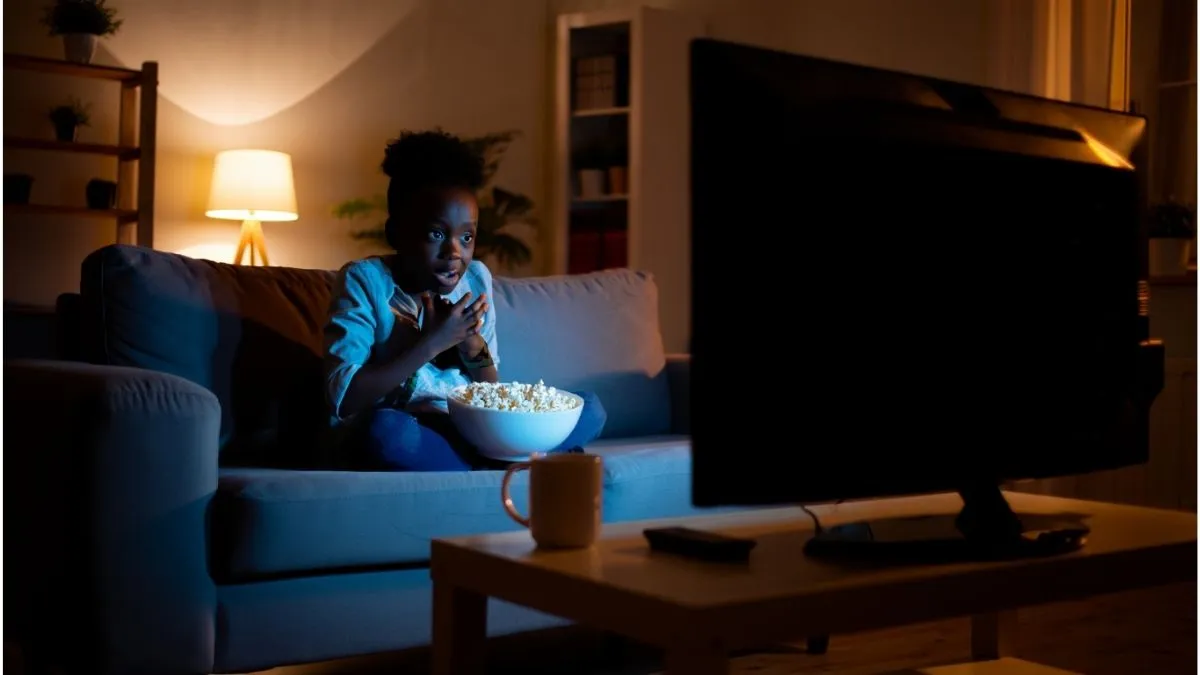

Psychological horror is a genre of horror that creates fear through the human mind, emotions, and perception rather than physical violence, gore, or monsters. It focuses on tension, paranoia, trauma, and distorted reality, making the viewer feel mentally engaged and disturbed. Unlike slasher or supernatural horror, psychological horror relies on subtlety, slow build-up, and deep storytelling to leave a lasting impact.
Table of Contents
What Is Psychological Horror, and Why Is It Different?
Psychological horror is a genre that creates fear by exploring the mind, emotions, and mental instability rather than relying on blood, monsters, or jump scares. It focuses on tension, paranoia, trauma, and distorted reality, making the audience feel uneasy and mentally engaged. Unlike slasher, supernatural, or monster horror, the fear comes from characters’ inner struggles and psychological conflicts. This genre relies on subtle storytelling, slow build-up, and atmosphere to leave a lasting impact on viewers.
How Does Horror Affect the Mind?
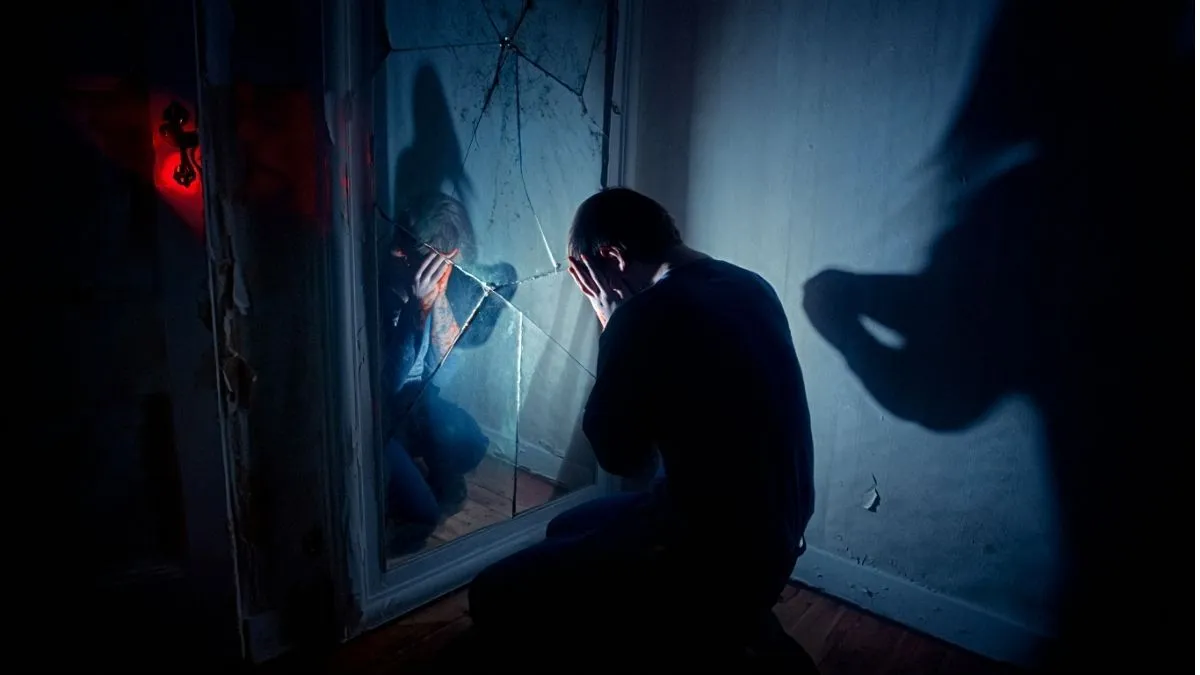
It works in horror by tapping into the viewer’s mind. It creates anxiety, paranoia, and unease, often leaving a lasting impression long after the movie ends. Unlike jump-scare-driven horror, this genre relies on subtle techniques:
- Slow pacing: Allowing fear to build gradually
- Silence and minimal sound cues: Enhancing tension and suspense
- Distorted perception and unreliable reality: Making viewers question what is real
By engaging the audience mentally, psychological horror triggers emotional and cognitive responses that are far more powerful than simple visual shocks. Movies like Shutter Island and Black Swan demonstrate how distorted reality and obsession can create intense tension.
What Are the Common Themes in It Horror?
The genre frequently explores themes of human psychology and emotional fragility.
- Mental illness and trauma: Characters often deal with depression, grief, or psychosis.
- Isolation and loneliness: Prolonged solitude heightens fear and vulnerability.
- Guilt, obsession, and paranoia: Internal struggles drive the narrative and tension.
- Identity crisis and fear of losing control: The characters’ perception of reality is constantly challenged.
- Family and personal relationships as a source of terror: Conflict with loved ones often forms the basis of horror.
How Does a Psychological Horror Movie Differ from a Thriller?
| Psychological Horror | Thriller |
| Focuses on fear created by the mind, emotions, and mental instability. | Focuses on suspense, tension, and plot-driven excitement. |
| Builds tension gradually through atmosphere, paranoia, and character psychology. | Builds excitement through action, chase, mystery, or danger. |
| Often explores themes like trauma, guilt, obsession, and distorted reality. | Often revolves around crime, investigation, or external threats. |
| Leaves a lasting mental and emotional impact on the audience. | Primarily aims to entertain and create adrenaline-fueled suspense. |
| Reality may be blurred; the viewer questions what is real. | Reality is usually clear; suspense comes from external events or risks. |
What Are Some Famous It Movies?
Several films exemplify psychological horror, combining strong storytelling with deep exploration of human fears:
- Hereditary (2018): Explores family trauma and grief, with an unsettling atmosphere that builds tension gradually.
- Black Swan (2010): Shows obsession, mental breakdown, and the psychological costs of ambition.
- Shutter Island (2010): Blurs reality and illusion, leaving the audience questioning the truth.
- The Babadook (2014): Uses grief and suppressed emotions as the source of terror.
Why Do People Love It?
People enjoy it because it engages both the mind and emotions, creating fear that feels real and lasting. Unlike typical horror, it relies on tension, suspense, and character psychology rather than gore or jump scares. It challenges viewers intellectually, making them think about human behavior, trauma, and morality. The slow build-up and subtle storytelling create a deep, immersive experience that stays with the audience long after the movie ends.
How to Watch and Enjoy Psychological Horror?
To fully appreciate it, consider the following tips:
- Set the right environment: Watch in a quiet space to absorb the tension.
- Focus on details: Notice subtle cues, dialogue, and character behavior.
- Embrace slow-burn tension: Avoid expecting immediate scares; the fear builds gradually.
- Explore curated lists: Use streaming platforms, IMDb, and fan recommendations to find the best films.
Can It Horror Teach Us About Human Psychology?
Yes, horror can provide insights into human behavior, emotions, and mental processes. Exploring themes like fear, trauma, guilt, and obsession, it reflects how people respond to extreme stress or inner conflict. The genre often highlights the effects of isolation, anxiety, and distorted perception, helping viewers understand the complexities of the mind. In this way, psychological horror not only entertains but also offers a deeper understanding of human psychology.
FAQs
Q1. Can psychological horror be scary without supernatural elements?
Yes, many horror films rely entirely on human behavior, trauma, and mental instability to create fear.
Q2. Is psychological horror suitable for all audiences?
This genre may be disturbing for sensitive viewers due to its intense emotional and mental themes. Viewer discretion is advised.
Q3. Do psychological horror films require careful watching?
Absolutely. These movies often include subtle details and foreshadowing that are key to understanding the plot and characters’ mental states.
Conclusion
Psychological horror transcends traditional fear by focusing on the mind, emotions, and human behavior. It challenges viewers to think, reflect, and experience tension in a deeply personal way. Unlike conventional horror, which is often fleeting, psychological horror leaves a lasting mental impression, making it both intellectually and emotionally compelling.