
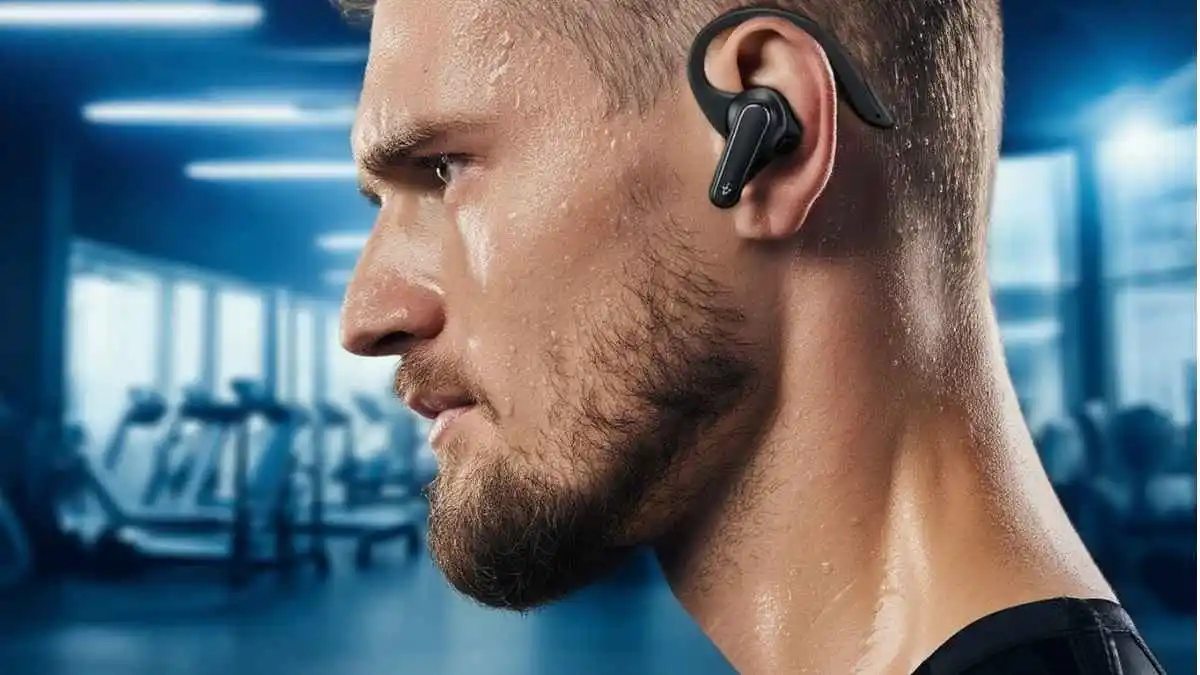

Wireless earbuds are supposed to power your workouts, not interrupt them. Yet for many people, exercise sessions are ruined by constant readjustments, slipping earbuds, or sudden drops to the gym floor mid-movement. Whether you’re running outdoors, lifting weights, or training at high intensity, stability and comfort matter just as much as sound quality. Understanding why earbuds fall out and what actually keeps them secure can help you choose a pair that supports your workouts instead of distracting from them.
Table of Contents
Why Workout Earbuds Used to Fall Out So Easily
Earlier wireless earbuds were primarily designed for casual listening rather than physical activity. Smooth outer shells, limited ear tip sizes, and a lack of stabilization features made them prone to slipping during intense movement. Sweat further reduced friction, making fit instability more likely.
According to Consumer Reports, fit and comfort are among the top reasons users replace earbuds, particularly for fitness use. As awareness grew, manufacturers began designing it specifically for active lifestyles rather than adapting casual models.
What Makes Workout Earbuds Stay Secure?
The best wireless earbuds for workouts that stay locked in share several core design elements focused on stability and comfort:
Ergonomic Shape
Workout earbuds often follow the natural contour of the ear canal and outer ear. This reduces pressure points and improves grip during motion.
Stabilization Features
- Ear wings or fins
- Hook-style designs
- Pressure-distribution housings
These features help anchor earbuds without causing discomfort during long sessions.
Multiple Ear Tip Options
Providing several ear tip sizes (silicone or foam) ensures a customized seal, which improves both stability and sound isolation.
Finding the Right Fit for Your Ear Shape
Finding the right fit for your ear shape is essential for both comfort and stability during workouts. Since ear canals and outer ear structures vary from person to person, an earbud that fits one user perfectly may feel loose or uncomfortable for another. Using the correct ear tip size and design helps create a secure seal, which prevents slipping and improves sound quality. A well-fitted earbud should remain stable during movement without causing pressure or irritation, even during extended training sessions.
Sound Quality vs Stability: Finding the Balance
One misconception is that secure earbuds sacrifice sound quality. In reality, fit directly affects audio performance. A proper seal enhances bass response and reduces external noise.
- Limit airflow, increasing ear fatigue
- Reduce awareness of surroundings (important for outdoor runners)
For this reason, many workout-focused IT balances sound isolation with safety-focused features such as ambient or transparency listening modes.
Gym Training vs Outdoor Running: Different Needs
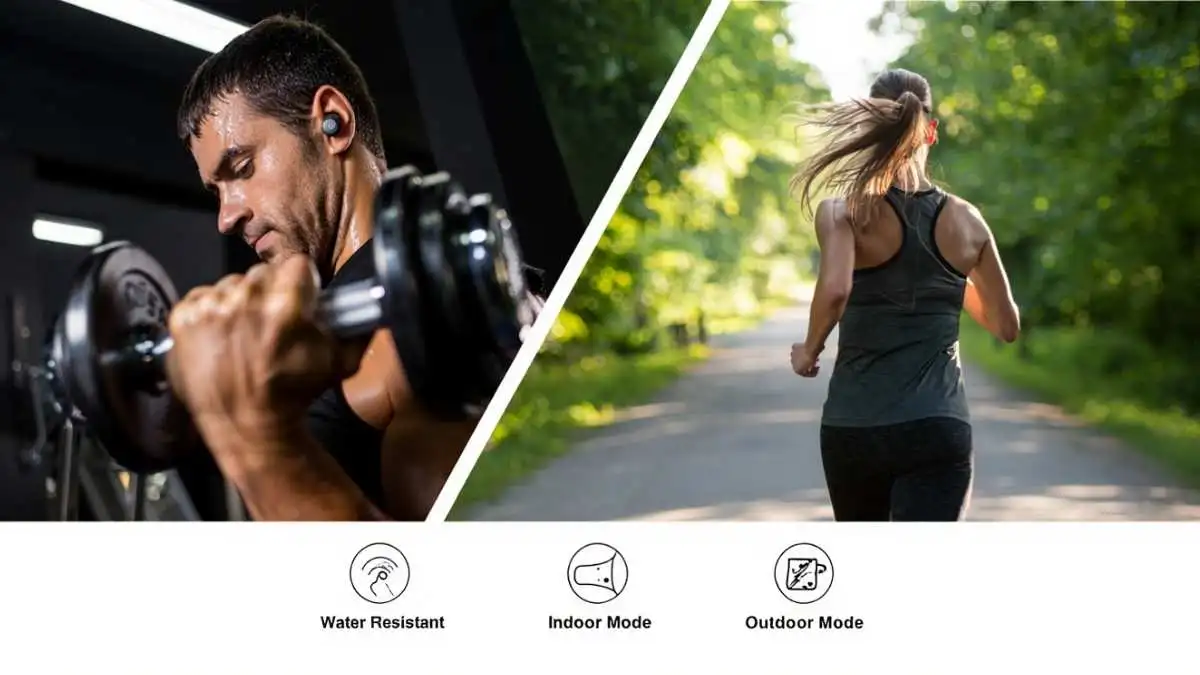
| Gym Training | Outdoor Running |
| Focuses mainly on a secure and stable fit during repetitive movements | Requires both a secure fit and awareness of surroundings |
| Noise isolation is important to block out gym equipment and music | Ambient sound awareness is important for safety in traffic or crowded areas |
| Sweat resistance is essential due to intense indoor workouts | Weather resistance is important for rain, wind, and temperature changes |
| Touch or button controls should avoid accidental presses | Controls should be easy to use while moving |
| Connectivity should remain stable in crowded indoor environments | Connectivity should remain stable over longer distances |
Sweat Resistance and Durability Standards
Sweat resistance and durability are critical factors for workout gear, as moisture can damage internal components over time. Most fitness-focused earbuds follow IP (Ingress Protection) rating standards, which indicate their resistance to sweat and water exposure. An IPX4 rating is generally sufficient for regular workouts, while higher ratings offer better protection for intense training or outdoor use. Durable construction helps ensure consistent performance and a longer lifespan despite frequent physical activity.
Battery Life for Active Users
Battery life expectations differ for workout models compared to casual models. Active users typically need:
- 6–8 hours per charge for long training days
- Fast charging for short workout sessions
- Reliable case charging for travel and gym use
Battery consistency is more important than raw capacity, especially for users who train frequently.
Connectivity and Controls During Movement
Reliable connectivity is essential for working out, as constant movement can interfere with wireless signals. Modern earbuds use updated Bluetooth technology to maintain a stable connection during running, lifting, or high-intensity training. Controls should be easy to access yet resistant to accidental activation, allowing users to adjust volume or tracks without disrupting their workout. Well-designed control systems help maintain focus and reduce unnecessary interruptions.
Health, Comfort, and Long-Term Use
- A comfortable and secure fit helps reduce ear fatigue during long workout sessions.
- Using the correct ear tip size minimizes pressure and prevents irritation or soreness.
- Regular cleaning of earbuds helps avoid sweat and bacteria buildup.
- Taking short breaks during extended use supports ear comfort and hearing health.
- Maintaining safe listening volumes reduces the risk of long-term hearing damage.
FAQs
1. Can wireless workout earbuds interfere with heart rate monitors or fitness trackers?
In most cases, wireless earbuds do not interfere with fitness trackers or heart rate monitors. Modern Bluetooth devices are designed to operate on stable, low-interference connections. However, using multiple Bluetooth devices simultaneously may slightly affect battery performance rather than connectivity accuracy.
2. How often should workout earbuds be replaced?
Workout: It typically lasts 2–3 years with regular use, depending on build quality, sweat exposure, and maintenance. Frequent exposure to moisture and physical stress may shorten their lifespan if not properly cleaned and stored.
3. Are foam ear tips better than silicone for workouts?
Foam ear tips often provide a tighter seal and better stability during intense movement, while silicone tips are easier to clean and more durable. The better option depends on personal comfort, ear shape, and workout intensity.
Conclusion
Modern workout earbuds are designed with stability, comfort, and durability in mind, addressing the common issues that caused earlier models to fall out during exercise. Features such as ergonomic design, secure fit options, sweat resistance, and reliable connectivity now make them suitable for both gym training and outdoor activities. Choosing the right earbuds ultimately comes down to fit, activity type, and long-term comfort.