
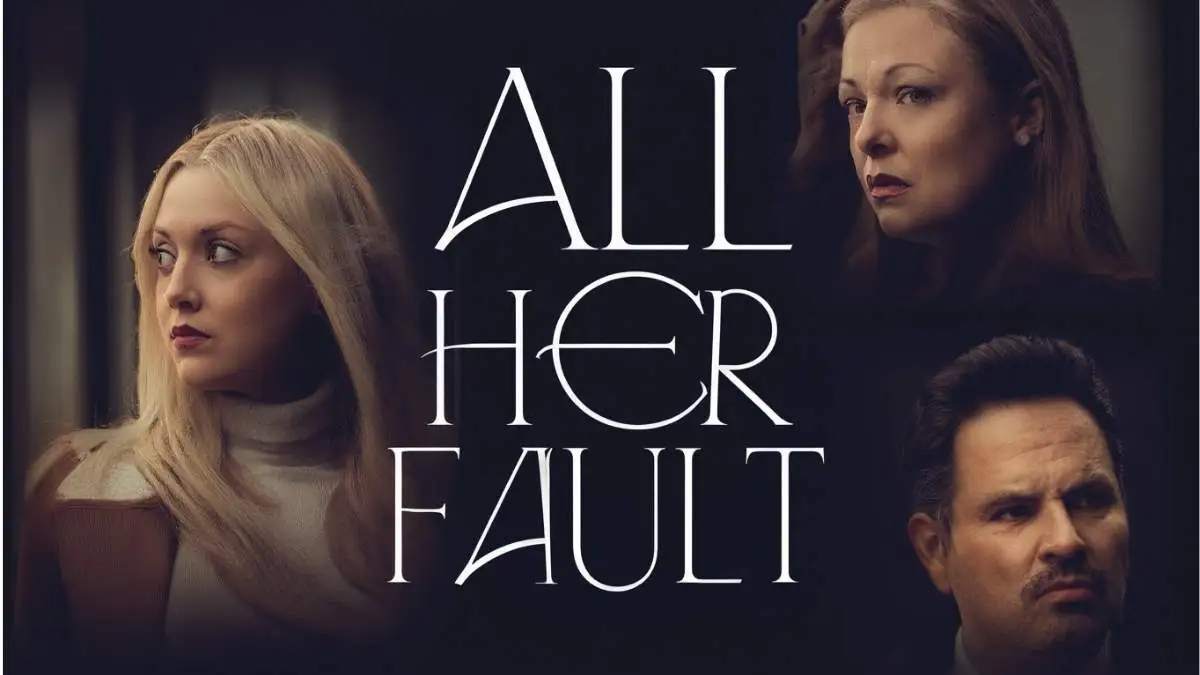

All Her Fault is a gripping mystery thriller that goes beyond suspense to explore maternal guilt, societal pressures, and the emotional burden of parenting. The story follows Marissa Irvine (Sarah Snook) as her son Milo goes missing after a playdate, revealing hidden tensions, secrets, and complex relationships. The TV adaptation raises questions about blame, morality, and systemic pressures, making it both a suspenseful story and a mirror of modern social dynamics.
Table of Contents
What Exactly Is All Her Fault?
All Her Fault is a psychological mystery thriller. Marissa Irvine arrives to pick up her son Milo after a playdate, only to find the woman at the door doesn’t know him, and he is missing. The title suggests blame, but the series portrays fault as multi-dimensional, highlighting how societal expectations and personal responsibilities intertwine in modern parenting.
Did the Playdate Go Wrong or Reveal Something Broken?
The opening playdate incident seems simple but signals deeper tension. Marissa’s wrong address, a disconnected phone number, and Milo’s missing tracker suggest that the “mistake” may not be accidental. This moment symbolizes fragile trust and questions assumptions about relationships, showing how easily things can unravel in high-pressure domestic environments.
Are the Characters Innocent?
The characters in All Her Fault are complex and morally ambiguous. Marissa and Jenny (Dakota Fanning) carry secrets and hidden tensions, while Peter (Jake Lacy) and the nanny add layers to the mystery. Jenny balances her career with domestic responsibilities, and Marissa bears the “mental load” of parenting alongside her professional life. The story emphasizes that fault is rarely black and white.
Why Is the TV Adaptation Controversial?
- Change of Setting: The story moves from Dublin (in the novel) to a wealthy Chicago suburb, adding themes of privilege and social image.
- Focus on Emotional Labor: Highlights maternal guilt and invisible domestic work, showing societal pressures on mothers.
- Narrative Changes: Key plot points and character dynamics were altered, creating new moral and ethical tensions.
- Ambiguous Ending: The baby-switch twist and morally complex resolution sparked debate over plausibility and ethics.
Are the mothers to blame?
The series questions assumptions about motherhood and responsibility. Marissa and Jenny initially feel compelled to take the blame, but the narrative shows that much of the fault is systemic. It examines who is “expected” to notice or act when something goes wrong and how societal pressure on mothers can shape perception and guilt.
Psychological Themes and Social Commentary
All Her Fault explores the psychological impact of guilt, fear, and parental pressure. It highlights the invisible emotional labor mothers carry, the mental load of managing home and career, and societal expectations to “do it all perfectly.” The series examines how moral ambiguity, secrets, and social judgment affect decision-making and relationships. Through its characters, it reflects broader issues of gender roles, inequality, and systemic pressures in modern parenting.
Reception and Public Discussion
- Critics praised All Her Fault for exploring maternal guilt and emotional labor.
- Some viewers debated the plausibility of the plot twists and the morally ambiguous ending.
- Social media and forums, such as Reddit, hosted active discussions about who is truly at fault.
- The series’ themes of parenting pressure and societal expectations kept it trending throughout 2025.
FAQs
1. Is All Her Fault based on a true story?
The TV series is adapted from Andrea Mara’s 2021 novel. Some real-life inspiration came from an incident where Mara visited the wrong house during a playdate, sparking the story.
2. Where was All Her Fault filmed?
Although set in Chicago, filming primarily took place in Melbourne, Australia, for practical and production reasons.
3. Will there be a second season?
Currently, All Her Fault is a limited eight-episode series with no official confirmation of a second season.
Conclusion
All Her Fault is both a thrilling mystery and a reflective social commentary. It examines guilt, responsibility, and emotional labor through the lens of a child’s disappearance, challenging societal assumptions about motherhood. By highlighting systemic pressures and moral ambiguity, the series invites viewers to reconsider not just who is at fault, but why we often assume it’s “all her fault.”