
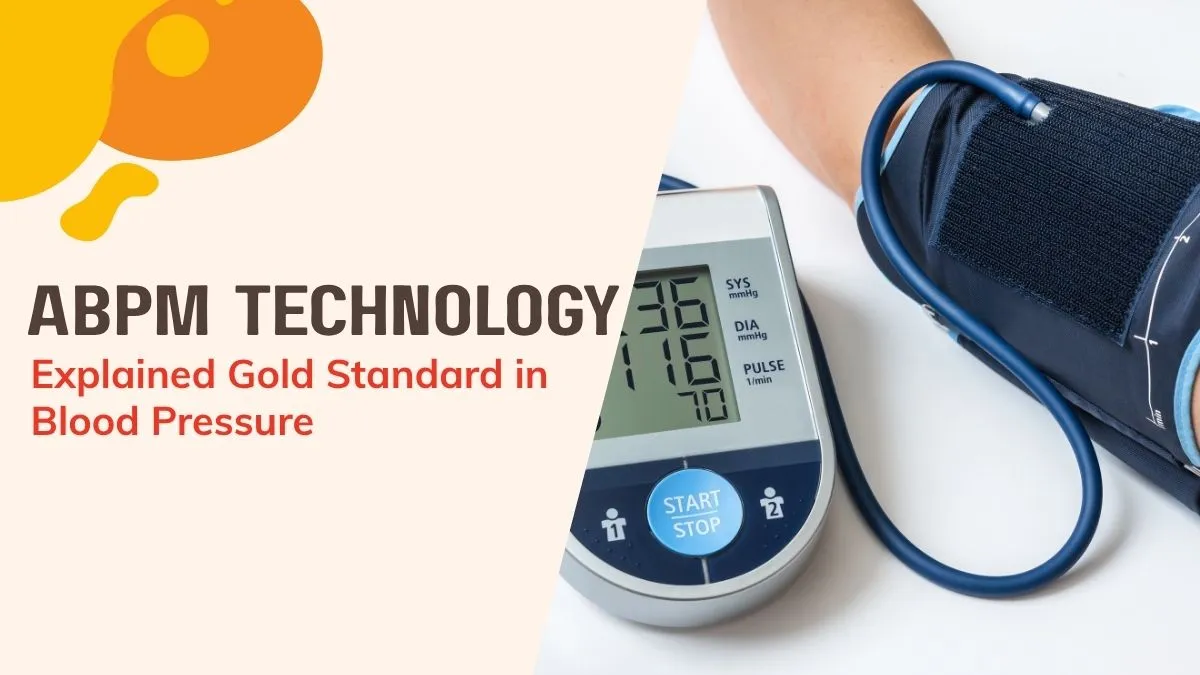

ABPM technology is a portable, automated blood pressure monitoring system that records readings over 24 hours at regular intervals. Unlike clinic blood pressure measurements, ABPM Technology captures real-time data during daily activities and sleep, ensuring a more accurate diagnosis of hypertension. It is considered the gold standard in blood pressure assessment, helping identify white coat hypertension, masked hypertension, and abnormal nocturnal dipping patterns, providing a comprehensive view of cardiovascular health and risk evaluation.
Table of Contents
The Clinic Gap: Why Office Blood Pressure Readings Can Mislead
The “clinic gap” highlights the limitations of clinic blood pressure readings, which may not reflect true cardiovascular health. Factors like white coat hypertension, stress, and rushed measurements can temporarily elevate results, leading to misdiagnosis. On the other hand, masked hypertension occurs when readings appear normal in a clinical setting but remain high during daily life. This inconsistency shows why relying solely on in-office blood pressure measurement is risky. Advanced tools like 24-hour ABPM Technology monitoring provide a more accurate, real-world assessment of hypertension and heart health risk.
How ABPM Technology Works in Your Daily Life
Ambulatory Blood Pressure Monitoring relies on a compact, wearable device consisting of a blood pressure cuff attached to a small recording unit. The device is programmed to automatically inflate and record blood pressure at scheduled intervals, usually:
- Every 15–30 minutes during daytime
- Every 30–60 minutes during nighttime
The device is typically worn on the non-dominant arm and remains in place for a full 24-hour period, though 48-hour monitoring is sometimes used in specialized cases.
Uncovering Hidden Hypertension: White Coat vs. Masked Risks
One of the most critical functions of ABPM Technology is the identification of “hidden” hypertension phenotypes that traditional tests miss:
- White Coat Hypertension: This occurs when a patient’s blood pressure is elevated only in the presence of healthcare professionals. ABPM prevents these patients from being prescribed unnecessary lifelong medication.
- Masked Hypertension: This is arguably more dangerous. A patient appears “healthy” in the clinic, but their blood pressure surges during work or sleep. Masked hypertension is strongly linked to organ damage and is often only detectable through 24-hour monitoring.
By distinguishing between these two, clinicians can provide a personalized treatment plan that targets the actual behavior of the patient’s circulatory system.
ABPM vs. Home Blood Pressure Monitoring (HBPM
| Feature | ABPM (Ambulatory Blood Pressure Monitoring) | HBPM (Home Blood Pressure Monitoring) |
| Monitoring period | 24 hours of continuous tracking | Spot checks over days/weeks |
| Measurement frequency | Automatic (15–60 min intervals) | Manual, patient-controlled |
| Nighttime readings | Yes, includes sleep data | Usually not captured |
| Accuracy | High, gold standard for diagnosis | Moderate, depends on user technique |
| Detection of white coat hypertension | Yes | Limited |
Nighttime BP Dipping: Sleep Signals for Heart Health
Nighttime blood pressure dipping is a key circadian rhythm where blood pressure levels naturally fall by 10–20% during sleep, supporting cardiovascular recovery. This nocturnal dipping pattern is crucial for maintaining healthy heart function. When disrupted, such as in non-dipping or reverse dipping, it signals higher risks of hypertension, stroke, and heart disease. Using 24-hour ABPM Technology monitoring, clinicians can accurately track these variations and detect hidden risks that standard clinic blood pressure readings often fail to identify.
Who Needs ABPM Technology? High-Risk Patient Screening Guide
- Patients with “borderline” high blood pressure in the clinic.
- Individuals suspected of having resistant hypertension (high pressure despite taking three or more medications).
- People experiencing fainting spells or hypotension (dangerously low blood pressure).
- Pregnant women suspected of having pre-eclampsia.
- Patients with “High-Normal” readings who have other risk factors like diabetes or high cholesterol.
What to Expect During Your 24-Hour Journey
Wearing an ABPM technology device is straightforward, but it requires cooperation.
- The Setup: A technician fits the cuff and ensures the monitor is calibrated.
- The 24-Hour Cycle: You are encouraged to follow your normal routine. When you feel the cuff begin to inflate, you should ideally keep your arm still and relaxed at your side.
- The Activity Log: Most clinicians ask you to keep a brief diary of your day, noting when you took medication, exercised, felt stressed, or went to sleep.
- The Return: After 24 hours, you return the device, and the data is uploaded for expert analysis.
How Clinicians Use ABPM Data for Better Treatment
Clinicians analyze ABPM technology reports to evaluate 24-hour blood pressure patterns, including daytime and nighttime readings, for accurate hypertension diagnosis and treatment. These reports help identify white coat hypertension, masked hypertension, and abnormal nocturnal dipping, guiding personalized care. Doctors also assess blood pressure variability and morning surge to adjust medication timing and dosage. This evidence-based approach improves treatment precision, reduces misdiagnosis, and enhances long-term cardiovascular health outcomes beyond standard clinic measurements.
FAQs
1. Can I sleep normally with ABPM Technology?
Yes, though you will feel the cuff inflate periodically. Most patients find that they adjust to the sensation after the first few cycles. It is recommended to wear loose-fitting sleepwear for comfort.
2. Is ABPM Technology more accurate than a digital home monitor?
Yes. ABPM is considered more accurate because it collects a higher volume of data (40–70 readings) and is not subject to the “observer bias” or incorrect posture that often affects home readings.
3. What activities should I avoid during the 24-hour test?
You should avoid vigorous exercise (which can make the readings difficult for the machine to capture), and you must not shower or swim, as the monitor is not waterproof. Otherwise, you should maintain your typical daily routine.
Final Thought
ABPM technology represents a major shift in how hypertension is understood and managed in modern medicine. By capturing continuous 24-hour blood pressure data, it eliminates diagnostic blind spots created by single clinic readings. This allows earlier detection of hidden risks and more personalized treatment strategies. As healthcare moves toward precision medicine and digital monitoring, ABPM technology will continue to play a vital role in improving cardiovascular outcomes, reducing misdiagnosis, and ensuring patients receive truly data-driven care.