
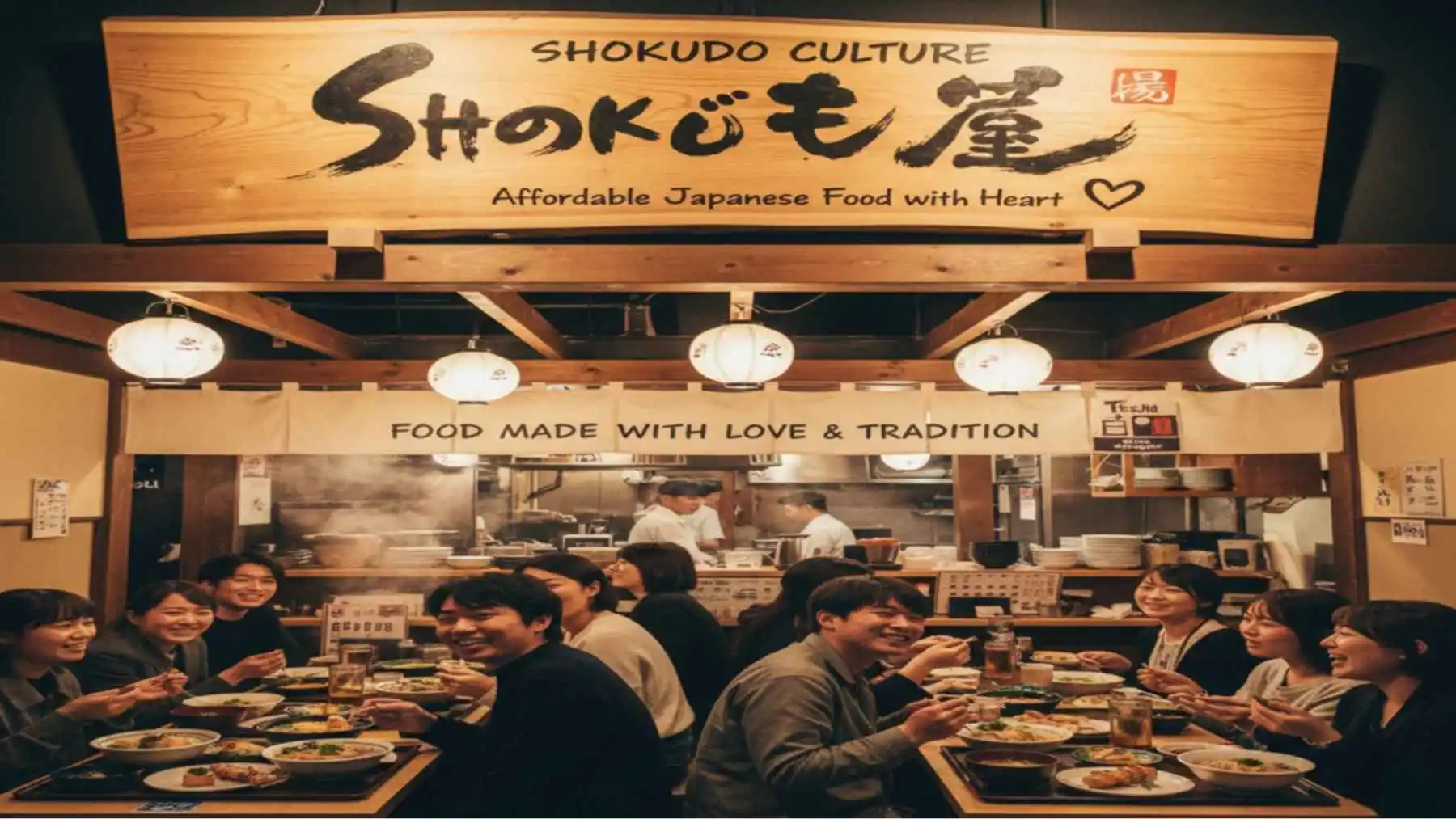

Shokudo is a traditional Japanese casual restaurant that serves affordable, home-style meals meant for everyday dining. The term literally translates to dining room, canteen, or cafeteria, but its cultural meaning is far richer. it represents warmth, accessibility, and familiarity, offering balanced comfort food in a relaxed setting. Often family-run, these establishments are deeply rooted in local communities, reflecting Japan’s values of simplicity, nourishment, and human connection through food.
Table of Contents
The Historical Roots of Shokudo
Shokudo emerged during Japan’s modernization in the late 19th and early 20th centuries, when urban growth and industrial work created demand for affordable, reliable meals outside the home. These casual eateries provided simple, home-style dishes for workers, students, and families. Over time, many it became family-run establishments, preserving regional flavors and traditions. Their adaptability and focus on everyday nourishment allowed them to become enduring.
Defining Characteristics of a Traditional Shokudo
- Simplicity in Design: Interiors are typically modest, featuring wooden tables, counter seating, handwritten menus, and practical décor. The focus is on comfort and functionality rather than aesthetics.
- Affordable Pricing: Meals are intentionally priced to remain accessible to a broad audience, reinforcing their role as an everyday dining option.
- Quick Yet Unhurried Service: Food is prepared efficiently, but diners are not rushed. The environment encourages relaxed, everyday dining.
- Family Operation: Many it are family-run, with owners actively cooking, serving, and managing the space themselves.
Cultural Significance in Daily Japanese Life
Shokudo holds deep cultural importance in everyday Japanese life by offering consistency, comfort, and a sense of familiarity. These modest dining spaces serve as daily touchpoints for workers, students, and seniors, blending nourishment with routine. Beyond food, it fosters quiet social interaction and community presence. In a society shaped by discipline and pace, it provides warmth, stability, and an enduring connection to simple, shared experiences.
The Shokudo Menu: Everyday Nourishment
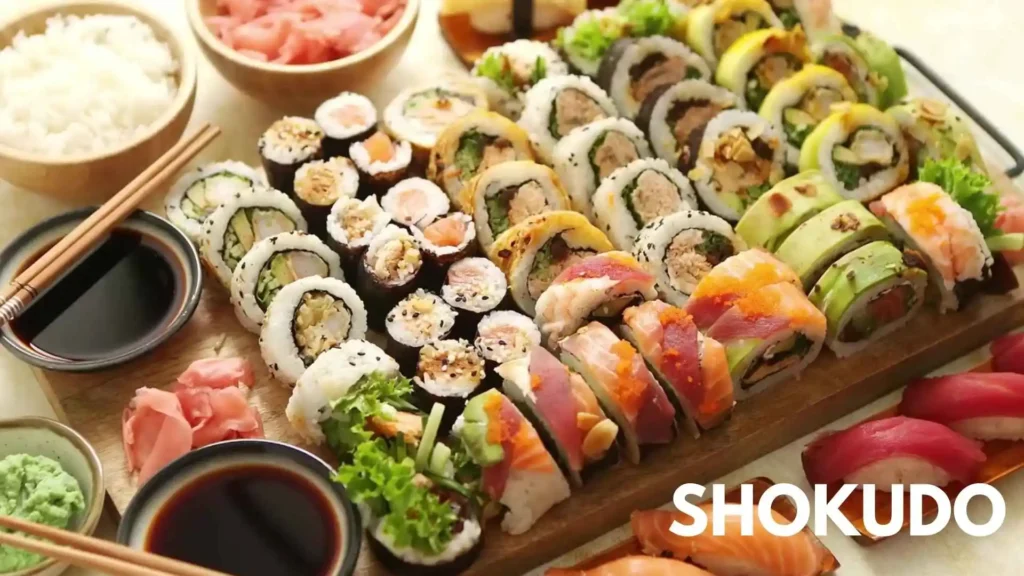
The food served in it reflects the principles of balance and practicality central to Japanese cuisine. Most meals follow the ichiju-sansai structure: one soup, three side dishes, and rice, providing nutritional harmony without excess.
- Teishoku (set meals) featuring rice, miso soup, pickles, and a main dish
- Karaage (Japanese fried chicken)
- Tonkatsu (breaded pork cutlet)
- Saba no shioyaki (grilled salted mackerel)
- Nikujaga (meat and potato stew)
Portions are generous but not extravagant, emphasizing satiety and balance rather than indulgence. Seasonal ingredients are often incorporated, reflecting Japan’s culinary respect for nature and timing.
Regional Diversity and Local Identity
Shokudo across Japan naturally reflects the regions they serve, showcasing local ingredients, flavors, and culinary traditions. Coastal it often highlights fresh seafood, while inland and rural establishments favor hearty stews and preserved dishes suited to the climate. These regional variations give each one a distinct identity rooted in place. By preserving local tastes and cooking methods, it quietly acts as a cultural storyteller, expressing Japan’s geographic and culinary diversity through everyday meals.
Shokudo in Contemporary Japanese Society
In modern Japan, it remains a quiet constant amid rapid urbanization and changing lifestyles. These modest eateries continue to serve as dependable spaces for affordable, nourishing meals, especially for workers, students, and the elderly. While some have adopted small modern conveniences, their core values of simplicity and care remain unchanged. By balancing tradition with subtle adaptation, it continues to reflect the enduring rhythm of everyday Japanese life.
Challenges Facing Shokudo Today
- Rising food and utility costs strain the already thin profit margins of small, family-run businesses.
- Aging owners and a lack of successors threaten the continuity of long-established eateries.
- Urban redevelopment and increasing rents force many neighborhoods to close or relocate.
- Competition from convenience stores, fast-food chains, and food delivery services reduces daily foot traffic.
Shokudo and the Philosophy of Japanese Hospitality
Shokudo embodies the essence of omotenashi, the Japanese philosophy of sincere and thoughtful hospitality. Rather than formal service or luxury, hospitality is expressed through consistency, care, and quiet attentiveness. Meals are prepared with genuine consideration for the diner’s well-being, and interactions feel natural and unforced. This understated approach creates trust and comfort, allowing guests to feel welcomed not as customers, but as part of everyday life.
Shokudo as a Symbol of Everyday Japan
Shokudo symbolizes the simplicity and reliability of everyday life in Japan. These modest eateries reflect values of balance, humility, and care, offering familiar meals in welcoming spaces. Free from formality or excess, it mirrors the quiet rhythm of daily routines, where nourishment and human connection matter more than presentation. Through consistency and warmth, it represents the understated beauty of ordinary Japanese living.
Final Thoughts
Shokudo quietly reminds us that meaningful dining does not require extravagance. Its enduring presence speaks to the value of familiarity, care, and shared routines in everyday life. In a world increasingly shaped by speed and convenience, it offers a slower, more human experience, one built on trust, warmth, and consistency. By remaining true to its purpose, it continues to nourish both communities and culture.