


Study efficiency is the practice of learning in a way that maximizes retention and understanding while minimizing wasted time and effort. By focusing on quality over quantity, applying expert-backed techniques, establishing productive habits, and consistently measuring progress, students and professionals can enhance their learning outcomes significantly.
Table of Contents
What Is Study Efficiency, and Why Does It Matter?
Study efficiency is about learning smarter, not harder, maximizing results in less time by focusing on understanding, not just memorizing. It matters because high efficiency boosts retention, reduces stress, and leaves more time for other important activities. By prioritizing quality over quantity, students can achieve better grades and develop skills that last a lifetime. Think of it as working with your brain, not against it.
Why Do Students Struggle to Study Efficiently?
Despite intentions to learn effectively, many students face challenges that limit their study efficiency. Some common barriers include:
- Distractions: Smartphones, social media, and noisy environments can significantly reduce focus.
- Poor Planning: Lack of clear objectives or a structured study schedule can lead to wasted time.
- Passive Learning: Simply reading or highlighting without engaging with the material often leads to poor retention.
Brian Tracy, a productivity expert, emphasizes the importance of prioritizing high-impact tasks. Students who fail to identify the most important areas to focus on often spend too much time on less critical content, which reduces overall study efficiency.
Understanding these obstacles is the first step in creating strategies to overcome them and study more effectively.
How Can You Apply Expert Techniques to Study Smarter?
| Expert | Technique | How It Improves St |
| Cal Newport | Deep Work | Allocates uninterrupted blocks of time for focused learning, minimizing distractions and enhancing comprehension. |
| Brian Tracy | Goal-Setting & Prioritization | Breaks study material into actionable goals, focusing on high-priority topics first to maximize time use. |
| Stephen Covey | Time Management & Habits | Plan study sessions around energy cycles and use consistent routines to reduce procrastination and build productive habits. |
| Active Learning Strategies | Teaching, Mind Maps, Self-Testing | Reinforces memory and understanding by engaging with material actively rather than passively. |
What Are the Best Habits to Maintain High Study Efficiency?
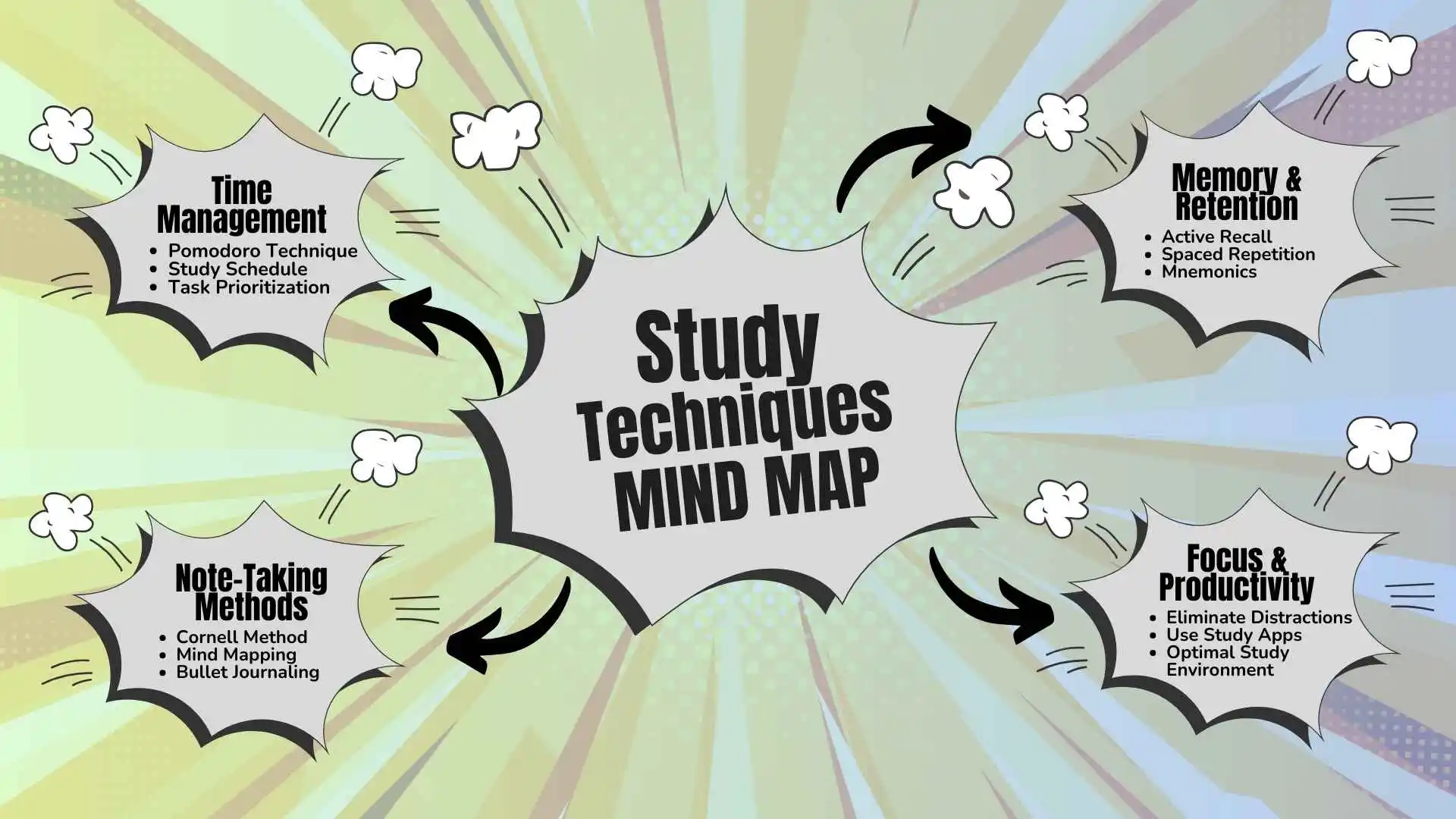
To maintain high study efficiency, develop habits like setting clear goals, creating a focused study schedule, and minimizing distractions. Break study sessions into manageable chunks with regular breaks to keep your mind sharp. Actively engage with the material through notes, summaries, or teaching others, rather than passive reading. Consistency and reflection on what methods work best for you ensure long-term improvement and effective learning.
How Can You Measure and Improve Your Study Efficiency Over Time?
Tracking progress and reflecting on learning practices is essential for continuous improvement. Methods to measure and enhance study efficiency include:
- Self-Testing: Regularly assess knowledge through quizzes or practice problems to identify weak areas.
- Feedback Loops: Seek input from teachers, mentors, or peers to refine understanding and technique.
- Reflection and Adjustment: Analyze which study methods are most effective and adjust strategies accordingly.
FAQs:
1. Can study efficiency techniques be applied to group study sessions?
Yes, by assigning clear roles, setting goals, and using active learning methods like teaching each other, group study can be highly efficient.
2. Does study efficiency differ for different subjects?
Absolutely. Technical or problem-solving subjects may benefit more from practice and active problem-solving, while theoretical subjects may require summarization and concept mapping.
3. How long does it take to see improvements in study efficiency?
With consistent application of techniques and habits, noticeable improvements can often appear within a few weeks, but long-term retention continues to grow over months.
Conclusion:
Study efficiency is about learning smarter, not harder, by prioritizing understanding, using proven techniques, and forming productive habits. By identifying obstacles, applying expert strategies, and tracking progress, students can maximize learning, reduce stress, and achieve lasting academic success.