
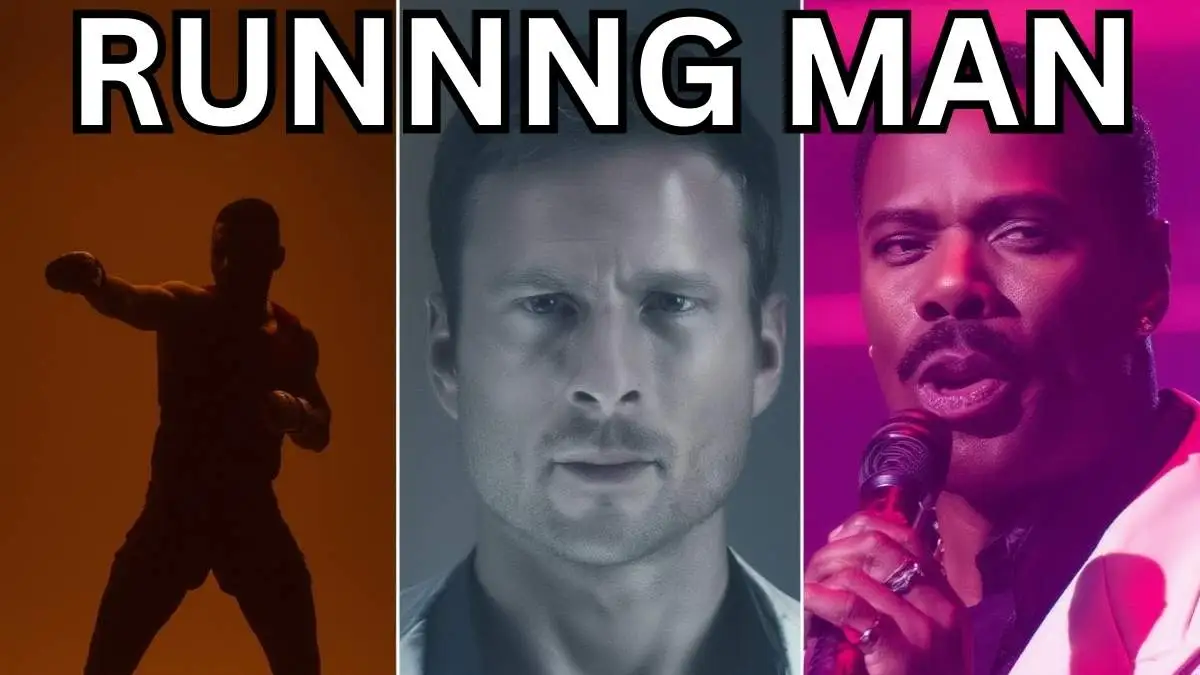

Released in 1987, The Running Man is more than just a high-octane action film; it’s a chilling glimpse into a dystopian future where entertainment and oppression collide. The story follows Ben Richards, a man forced into a deadly televised game, as he fights not only for survival but also against a society blinded by spectacle. Blending thrilling action with sharp social commentary, the film continues to captivate audiences and provoke thought decades later.
Table of Contents
What Is the Running Man Really About?
The Running Man is a dystopian action film set in a totalitarian future where a government-controlled game show hunts down convicted “runners” for the entertainment of the public. The protagonist, Ben Richards, is framed for a crime and forced to participate in the deadly competition. The film explores themes of survival, media manipulation, and authoritarian control, highlighting society’s obsession with spectacle and violence. It combines high-octane action with social commentary, making it relevant even decades after its release.
Who Are the Main Characters & Key Performances
The story centers around Ben Richards, a defiant former police captain whose moral compass and survival instinct define the narrative arc. His journey from framed fugitive to symbol of resistance forms the emotional core of the film.
- Damon Killian: The charismatic host and producer who shapes the brutal game show’s narrative, embodying the media’s manipulative power.
- Amber Mendez: Initially wary of Richards, her evolving understanding reflects audience skepticism of media narratives.
- William Laughlin & Harold Weiss: Allies in Richards’ fight, representing fragmented resistance against the state.
Why Does the Running Man Still Matter?
The Running Man remains relevant because it highlights the dangers of media manipulation and authoritarian control, themes that resonate in today’s society. Its portrayal of reality entertainment taken to extremes anticipates modern media culture and our fascination with spectacle. The film’s social commentary on power, resistance, and desensitization to violence continues to spark discussion among audiences and critics.
What Lessons and Cultural Influence Does the Running Man Have?
At its core, the film offers several enduring lessons:
- Media Manipulation: The regime uses entertainment to shape public opinion and suppress the truth.
- Resistance & Identity: Richards’ refusal to conform underscores individual agency in the face of oppressive power.
- Spectacle vs. Substance: The movie warns about society’s tendency to prioritize spectacle over genuine human suffering.
The movie’s influence can also be seen in later dystopian narratives and reality TV critiques, films, and series that examine how entertainment amplifies social anxieties. Its impact stretches to discussions about media ethics, surveillance culture, and the commodification of violence.
Iconic Stalkers: Who They Are and Why They Matter
One of The Running Man’s most unforgettable elements is its cast of “stalkers,” the themed hunters who pursue runners:
- Buzzsaw: A chainsaw‑wielding antagonist representing unrestrained brutality.
- Sub‑Zero & Dynamo: Figures whose exaggerated gimmicks critique the construction of violence as entertainment.
- Fireball: A flame‑wielding stalker whose theatricality blurs the line between sport and death.
Behind the Scenes: Trivia and Fun Facts
The Running Man went through multiple script drafts, shifting from a darker political story to a mainstream action film. Richard Dawson, a real-life game show host, was cast as the villainous host to add ironic commentary on television culture. The film has maintained a cult following due to its unique blend of action, social critique, and memorable characters.
FAQs
Q1: Who directed The Running Man (1987 film)?
The film was directed by Paul Michael Glaser, best known for his work as an actor and director in both television and film.
Q2: Was The Running Man successful at the box office?
The movie had moderate commercial success, earning attention for Arnold Schwarzenegger’s performance and its unique dystopian concept, though it was more of a cult hit than a blockbuster.
Q3: Are there notable differences between the book and the movie?
Yes, the 1987 film significantly diverged from Stephen King’s novel, focusing more on action and entertainment, while the book had a darker, more politically charged tone.
Conclusion
The Running Man remains a culturally significant film due to its exploration of media manipulation, authoritarian control, and the human instinct for survival. Through its memorable characters, iconic stalkers, and social commentary, it continues to resonate with audiences decades after its release. The movie’s blend of action and thoughtful critique ensures its place as a lasting dystopian classic.